20K Agri-Entrepreneurship Initiative
Promotion of Regenerative Agriculture through Gender-Inclusive Agri-Entrepreneurship, Rural Transformation and positive Impact (PRAGATI)
Overview
The agriculture and food system faces many inter-related challenges to feed a growing population while reducing environmental impact and mitigating GHG emissions.
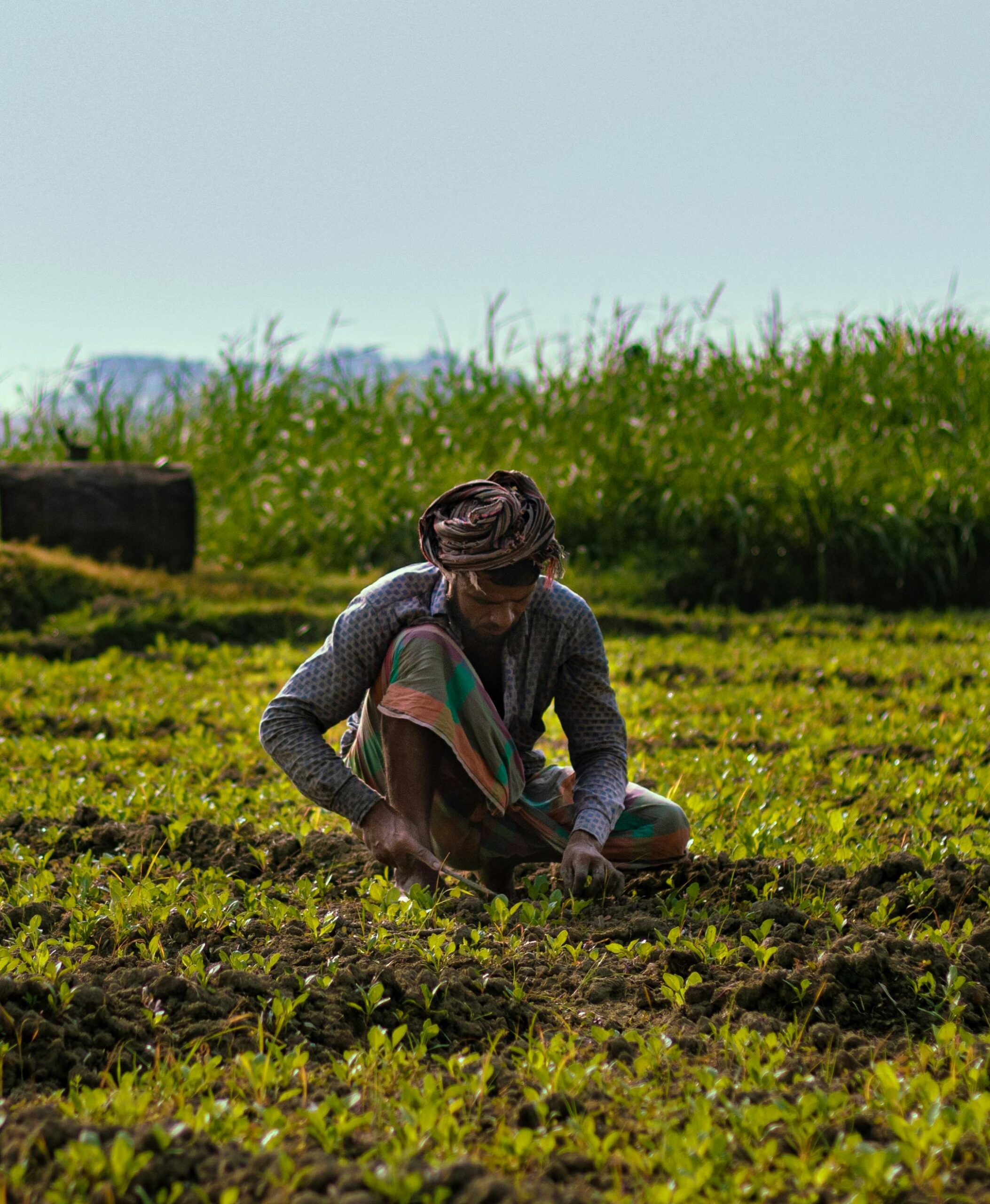
In emerging markets, agriculture is dominated by smallholder farmers who face constraints such as poor access to technologies, services, inputs, and market opportunities often referred to as the “last mile delivery” issue.
To address these challenges, there is a need for inclusive and sustainable models that improve access to services, strengthen rural livelihoods, and create efficient last-mile delivery systems.
The Agri-Entrepreneurship Model
The AE Program stands as a testament to a twelve-year journey of dedication, continuously refined and nurtured by the Agri Entrepreneur Growth Foundation (AEGF). Together, Syngenta Foundation India and AEGF have developed and scaled robust last-mile delivery models powered by rural Agri-Entrepreneurs (AEs), successfully extending this network across 14 states and bridging the critical last-mile gap in agricultural services for small and marginal farmers.
The AE model trains rural entrepreneurs to set up small businesses in their own villages to bring farmers the support they need right at their doorstep. Each Agri-Entrepreneur serves 100–150 smallholder farmers, providing expert farming advice, quality inputs, access to government entitlements and schemes, and other essential services directly.
These Agri-Entrepreneurs are trained and mentored for two years and offer end-to-end solutions, helping small marginal farmers empower through access to technologies, services, and markets.
Project Pragati – The 20K AE Initiative
Key Pillars
Project Pragati, the 20,000 Agri-Entrepreneurs (AE) Initiative, builds on this model to create a large-scale last-mile delivery network for small and marginal farmers. The initiative focuses on establishing village-level one-stop shops where each Agri Entrepreneur serves around 100-150 farmers, creating direct linkages between farmers and essential services, improving access while reducing costs.
Regenerative Agriculture
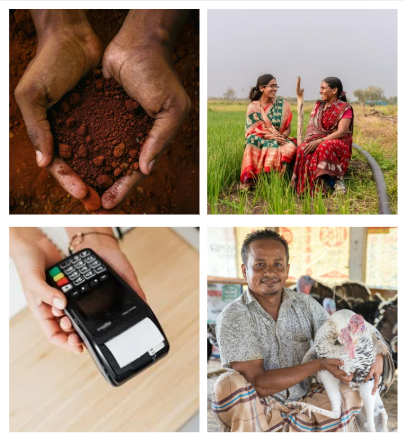
Farmers will be encouraged to adopt regenerative agricultural practices including organic soil amendments, micro-irrigation systems, and water-saving techniques, alongside access to advisory tools and last-mile delivery services, all aimed at enhancing farm efficiency, building climate resilience, and improving long-term soil health
Women Inclusivity
The project aims to ensure at least 50%of AEs and 30% of farmers are women, building inclusive leadership.
Financial Inclusion
50% farmers will be trained on financial planning, credit management, and digital transactions.
Livelihood Enhancement
AEs will play a pivotal role in expanding farmers' diversified income streams through a mix of on-farm and off-farm activities, including allied livestock-based enterprises (poultry, dairy, goatery, and piggery) and remunerative cash crops, leveraging government scheme linkages to maximize benefits and long-term economic resilience. AEs themselves will build diversified income sources, strengthening their ability to sustain operations and deliver consistent, quality services to farmers.

Alliance Partners